News
Guide to Maintenance of Drainage System for Thermal Shock Test Chamber
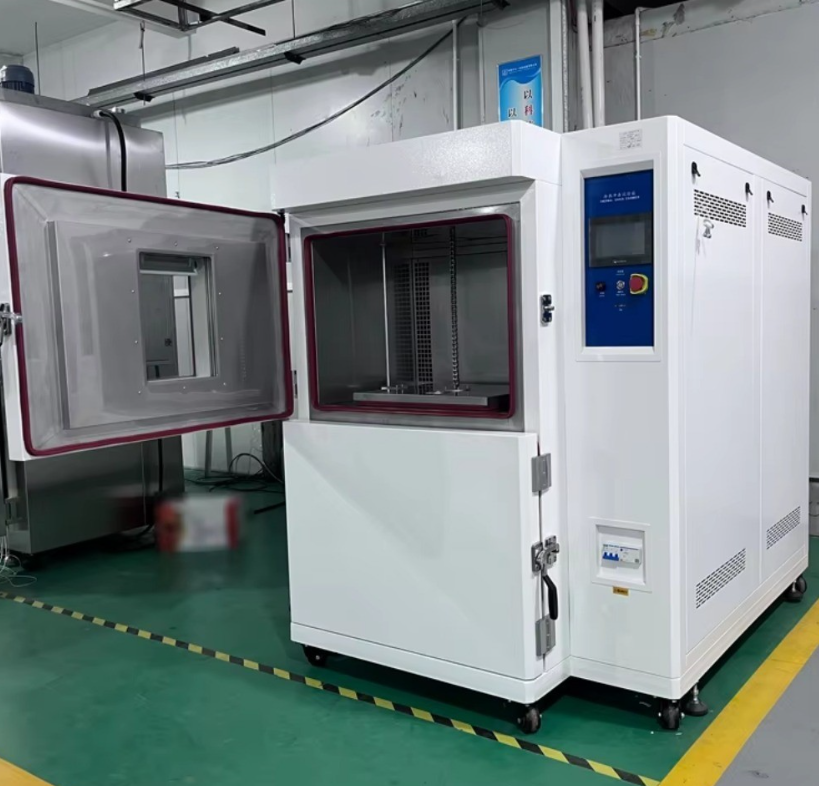
The drainage system of a thermal shock test chamber is a crucial component for ensuring stable equipment operation and accurate test results. Because the equipment operates in environments with fluctuating high and low temperatures and humidity, impurities, condensates, and microorganisms easily accumulate in the drainage pipes, leading to blockages and water accumulation. These conditions not only affect the normal operation of the equipment but may also damage the test samples. This article aims to explore drainage system maintenance strategies from the perspective of laboratory testing instrument experts. Through regular inspections, scientific cleaning methods, and preventative measures, it helps laboratory personnel effectively avoid drainage failures and ensure the long-term reliable operation of the test chamber.Structural and Problem Analysis: During rapid temperature changes in the thermal shock test chamber, especially when transitioning from a high-temperature, high-humidity section to a low-temperature section, moisture in the air condenses into water on the evaporator and the inner walls of the chamber. This condensate is collected in a drip tray and eventually discharged outside the chamber through the drainage pipes. After long-term operation, impurities, dust, and potentially algae or microorganisms in the water can adhere to the pipe walls. Simultaneously, residual moisture in the drainage pipes may freeze at low temperatures, causing physical blockages. In addition, minute debris generated inside the test chamber due to temperature differences may also enter the pipes with the water flow, causing blockages. Water accumulation problems usually stem from insufficient drainage slope, pipe twisting, or the outlet being blocked by foreign objects, preventing water from flowing out smoothly.
Regular Inspections
Establishing a regular drainage system inspection system is fundamental to preventing sudden malfunctions. Laboratory personnel are advised to conduct a visual inspection at least weekly, focusing on whether the sump tray has excessive water accumulation and whether there are leaks at drain pipe connections. A more thorough inspection should be conducted monthly, including confirming the correct slope of the drain pipes and ensuring that the pipes are free of sags or sharp bends to allow water to flow out naturally by gravity. Also, check the drain outlets for blockages caused by dust or insect nests, especially if the test chamber has not been used for an extended period. Regular inspections can help identify potential risks early, preventing small problems from escalating into serious equipment downtime.
Scientific Cleaning
When drainage is found to be obstructed, it should be cleaned promptly. Physical unclogging is the first-line method. A specialized drain cleaner or a flexible long brush can be gently inserted into the drain pipe and moved back and forth to remove attached soft dirt and algae. Avoid using excessively rigid tools to prevent puncturing the pipe walls. For grease or stubborn deposits, mild chemical cleaning methods can be used. It is recommended to use a neutral or weakly alkaline dedicated pipe cleaner. Dilute it according to the instructions and inject it into the drain pipe. After soaking for a certain period of time, rinse thoroughly with plenty of clean water. Special care must be taken to avoid using strong acids or highly corrosive chemicals, as these may damage the pipe material. Thorough rinsing is essential after cleaning to prevent residues from evaporating and contaminating the chamber environment during subsequent tests.
Environmental Control and Preventive Measures To reduce blockages and water accumulation at the source, attention must be paid to the installation environment and daily operation of the test chamber. First, ensure the test chamber is placed on a level and stable surface to maintain the designed slope of the drainage system. Second, maintain clean air quality in the laboratory to reduce dust entering the chamber. After the test, if the equipment will be shut down for an extended period, drain all residual water from the collection pan and drain pipes. This can be achieved by briefly increasing the chamber temperature to promote evaporation of residual water, or by using an air gun to blow air back from the drain outlet to empty the pipes. Additionally, installing a simple insect screen at the drain outlet can effectively prevent small animals from entering, but the screen should be checked regularly for blockages to ensure proper ventilation and drainage.
In summary, maintaining the drainage system of a thermal shock test chamber is a meticulous and patient daily task, directly impacting the stability of the equipment and the reliability of test data. By understanding its working principles and identifying common causes of blockages and water accumulation, laboratory personnel can develop comprehensive maintenance plans that include regular inspections, scientific cleaning, and environmental control. This requires not only professional equipment knowledge from operators but also a proactive approach to problem-solving. Standardized operation and timely intervention ensure the drainage system remains unobstructed, guaranteeing the continuous and accurate operation of the thermal shock test chamber under harsh testing conditions, providing a solid foundation for laboratory research and quality control.
RELATED NEWS
NEWS CATEGORIES
LATEST NEWS
- Differences of Cantilever‑Beam and …
- Mooney Viscometer: Quality Indicato…
- Factors Causing Instability of the …
- Functions of Carbon & Sulfur Analyz…
- In-depth Analysis of Gas Chromatogr…
- Application of contact angle tester…
- Test Method for Sealing Performanc…
- Bottle Cap Torque Tester…
- Hardness testing of metallic materi…
- Applications of melt flow indexer…
- Introduction of new Hydraulic Flat…
- Guide to Maintenance of Drainage Sy…
- Constant Temperature and Humidity C…
- Common Faults and Solutions for COD…
- Tape peeling test of tensile testin…
- Understanding the sampling frequenc…
- Application of melt flow indexer (…
- Revolutionizing Precision: Digital …
- Application Solution for Oil and Fa…
- A Critical Tool for Ensuring Mater…
Contact
CONTACT USName: Jennifer
Mobile:+86 13336040868
Tel:+86 13336040868
Whatsapp:+86 13336040868
Email:sales@iqctest.com
Add:No.51 of Xiba Road,Wuchang Street, Yuhang District, 311100 ,Hangzhou City, China